

Image by PublicDomainPictures from Pixabay
Weight management requires both daily activity and eating real food to get essential nutrients.
During lockdown, many people went from commuting daily to work, walking to the bus stop, going out during breaks, commuting home or going out. While at work we cannot snack. An entire industry of delivering food to workplaces has grown out of the shorter breaks in the working day. I used to take in a salad, which was tasty, satisfying and nutritious.

Like tapas, meze and meal leftovers, salads are satisfying because of all the micronutrients you can consume for few calories. The worst type of calories according to Gary Taubes are empty calories. Supermarkets are full of entertainment foods such as crisps and sweets and products with unexpected hidden sugars such as cold meats. To make profit they must keep us addicted.
Therefore, government diet advice does not want to disrupt the gravy train to food manufacturers and the other vulture industries that feed off unhealthy food sales. Fast food chains pop up like acne in low-income rural areas.
Today, I work from home. With hindsight, the biggest determining factor for my weight is daily activity. When I went out to work I would walk up the hill to the train station and then from the London Underground to the office. I would walk around to find lunch and then back to the bus or tube and from the station home or go to meet friends and take public transport home later. In 2009-2010 I cycled 5 miles each way to work.
Additionally, while we are at work, we can only eat during breaktimes or before or after work. It does not matter how disciplined you are, something in the kitchen cupboard could call you.
The government started issuing diet advice in the UK in 1983. In the USA, government diet advice started in 1977. Writers such as Professor John Yudkin, who was a professor of Nutrition at University College London, who “had sounded the alarm on sugar back in 1972, in a book called Pure, White, and Deadly” were silenced by the establishment.
“If only a small fraction of what we know about the effects of sugar were to be revealed in relation to any other material used as a food additive,” wrote Yudkin, “that material would promptly be banned.” The book did well, but Yudkin paid a high price for it. Prominent nutritionists combined with the food industry to destroy his reputation, and his career never recovered. He died, in 1995, a disappointed, largely forgotten man.Guardian article on the sugar conspiracy here
The above article was published on morning of Thursday 7th April in 2016. However, today the BBC write a non-critical article about the new Labour government’s plans to distribute a weight loss vaccine to the unemployed in a bid to help them get to work.
This is so wrong. It comes from propaganda in the interests of food manufacturers and ultra-processed food producers and large retailers and fast food chains. These are unhealthy commodity stakeholders who are allowed to fund and therefore have their interests represented by official diet advice.
Going out to work restricts when people can eat and increases their regular daily activity.
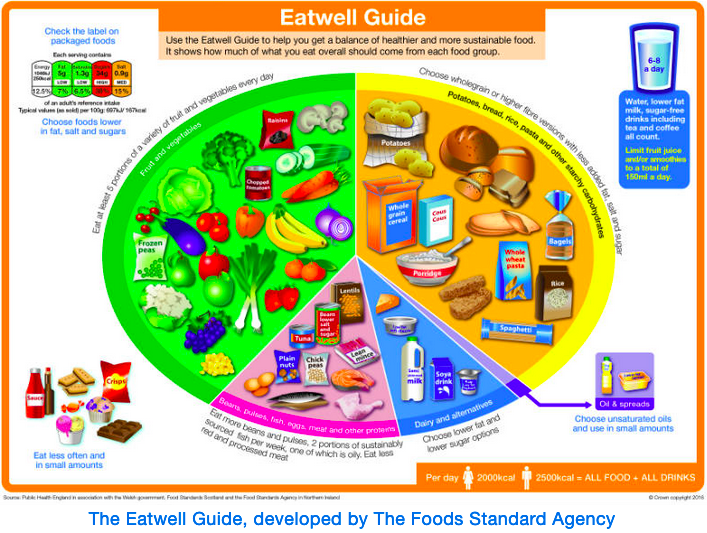
The Public are Told
- “Eat less exercise more” – less than what? More than what?
- “Base every meal on a starchy carbohydrate” – maybe read A Letter on Corpulence by William Banting to see that milk, sugar and starch are what make us fat if we don’t burn it off quickly. These foods provide little or no nutrients that we won’t get elsehwere.
- “Get your 5 a day” of fruit and vegetables – eating fruit and greens provides anti-oxidants, vitamins and minerals and can remove toxins from our bodies but 5 a day has no evidence and no two people respond the same way to food. Even identical twins.
- Eat less junk food in smaller quantities – we need to eat what our bodies ask for
- “Choose lower fat and lower sugar options” – we need monounsaturated, polyunsaturated and saturated fats from real foods including olives, avocados, oily fish, beans, coconut, seeds, nuts, cheese, yogurt, butter, meat and other seafood. Without these we cannot benefit from supplements for fat soluble vitamins A, D, E and K
- Eat more beans and pulses – beans provide fat and pulses such as lentils provide plant protein. However, there is no one-size-fits-all and our genetics and lifestyle determines if who can eat these at all.
- “2 portions of sustainably sourced fish per week, one of which is oily” – many people are allergic to fish. Frozen fish can be safest and farmed fish can be harmful. Those who rely on seafood for animal protein need to ensure they get enough fat and protein to absorb fat soluble vitamins and for body maintenance, repair and recovery from illness.
- “Eat less red and processed meat” – these two are vastly different. A good quality steak provides many essential micronutrients. Ruminants such as cows, sheep, goats and deer provide meat, which includes 8% trans fat and the rest is saturated fat, which Europeans eat much more of than people in the UK and have lower heart problems and diabetes. This is known as the French Paradox but there is plenty of evidence why.
- “Choose unsaturated oils and use in small amounts” – Unsaturated (both mono and poly) include extra virgin varieties of coconut, pumpkin, sunflower and olive oil. Saturated would be butter, which is also healthier than any spread. The oils and spreads to avoid are partially or wholly hydrogenated. The following foods contain hydrogenated oils and spreads
- soybean
- palm
- cottonseed
- canola
- peanut
- Partially Hydrogenated Oils (Contain Trans Fats):
- Margarine (especially older types, though many brands now avoid trans fats)
- Vegetable shortening (e.g., Crisco)
- Some spreads labeled as “buttery” or “creamy”
- Commercially baked goods (e.g., cookies, crackers, and pastries often use hydrogenated oils)
- Fried foods (such as those found in fast food establishments)
- Certain packaged snacks (like chips and popcorn)
- Coffee creamers (non-dairy types sometimes contain partially hydrogenated oils)
- sunflower used in spreads and processed foods above, but not sunflower cooking oils such as the following, which are not hydrogenated.
- Cold-Pressed or Virgin Sunflower Oil
- Refined Sunflower Oil
- High Oleic Sunflower Oil
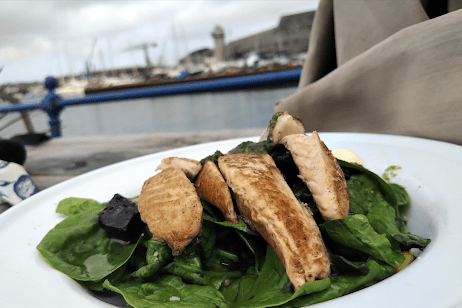
We require enough calories to deliver essential nutrients including vitamins, minerals and macronutrients such as protein (9 amino acids), fats (unsaturated and saturated from single ingredient, unadulterated real foods) and carbohydrates (above ground leafy greens, beans, honey, fruit, squashes and other vegetables).
Therefore, the Eatwell Guide actively allows snacking, eating empty, fattening, inflammatory carbohydrates, malnutrition and doesn’t provide any nutrition information or advice about a healthy gut or immune system. We are not advised against ultra-processed, sweet or high sugar foods, which we do not all have the lifestyle or enzymes to support.
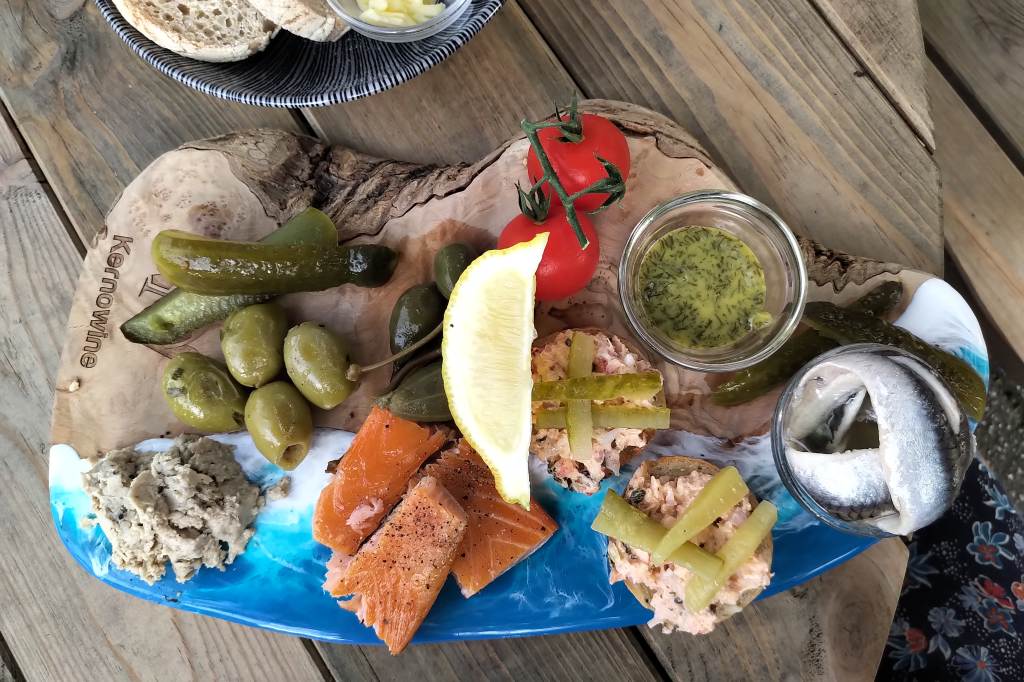
At the time I commuted to work full-time for 5 years, I may have been slim but I had all manner of food intolerance, which causes inflammation, water retention, swelling, nausea, a runny nose and respiratory symptoms and, the total unreported one, blocking up neural pathways which add to anxiety.
When I stopped drinking milk and beer, my hearing improved and I regained the whites of my eyes, energy and loss weight as well as no longer being anxious for no reason with a hungover nor experiencing heartburn.
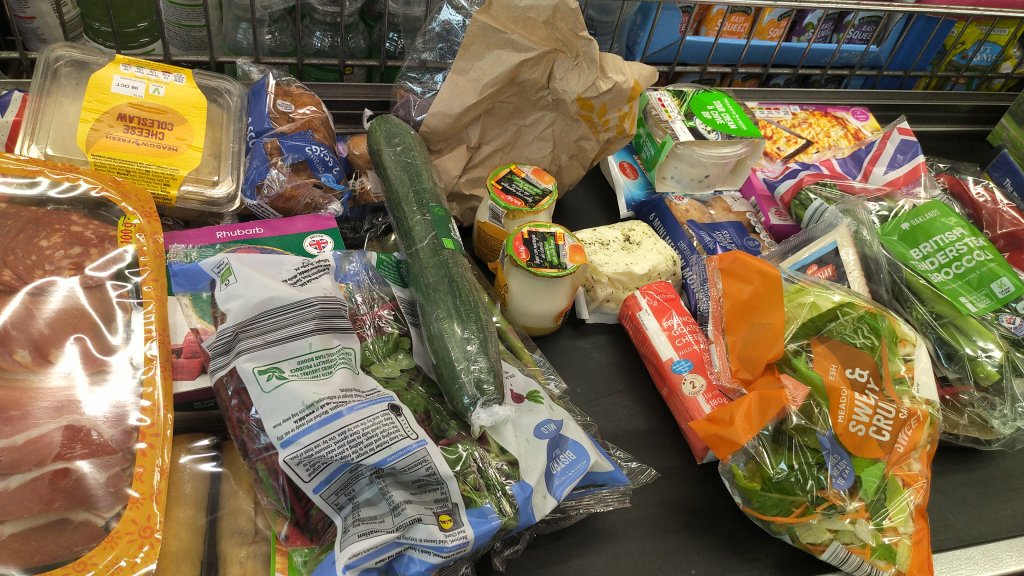
The above is subjective and not advice. We are all unique and require proven health facts about vitamins, minerals, the foods we get them from and supplement doses to fill gaps left in our diet as well as empty calories we do not need and the opportunity for regular outdoor activity everyday.
What we do not need is more medication or agenda-backed misinformation. Here is an article about it called “Food for thought? Potential conflicts of interest in academic experts advising government and charities on dietary policies”

Warnings about getting insufficient vitamin D, energy, fat, protein and other micronutrients leads to a variety of conditions, including the slowering of our metabolic system as the body thinks it is going into famine or winter hibernation. This is why calorie restriction and portion reduction approaches without sufficient nutrition lead to yo-yo dieting. CRON or calorie reduced optimum nutrition at least means getting essential micronutrients and cutting out empty carbohydrates.
Eating too many sugars, sweets, the wrong type of fructose (such as agave syrup) and starchy carbohydrates increases insulin production, which makes us hungry and eat more even when we would otherwise be full up. This in turn can lead to isnulin resistance, meaning blood sugar drops and this can allow Type 2 Diabetes to take hold. This is why nutritionists suggest a low carb, high fat and protein diet from real foods to reduce the unneeded production of insulin and roller coastering blood sugar, which can be stablised by a varied diet full of esssential nutrients.
At least, independent facts about food and eating would provide us with choice as well as improved health even if the beach body takes longer to emerge.
 Sophie Sweatman
Leave a comment